In the world of men’s fashion, the pursuit of the perfect fit and the finest craftsmanship has led to the evolution of three distinct categories of tailoring. Among them, bespoke stands as the pinnacle of sartorial excellence — offering a level of personalisation and quality that surpasses both made-to-measure and ready-to-wear garments. Understanding the distinctions between these options illuminates why bespoke tailoring remains the preferred choice for those who seek both exceptional style and a flawless fit.
Bespoke tailoring is about creating a garment from scratch, tailored entirely to the specific measurements, preferences, and needs of an individual client. The term “bespoke” originates from the practice of “bespeaking” a fabric — reserving it for a particular customer — and the tradition carries that same spirit of absolute dedication to the individual.
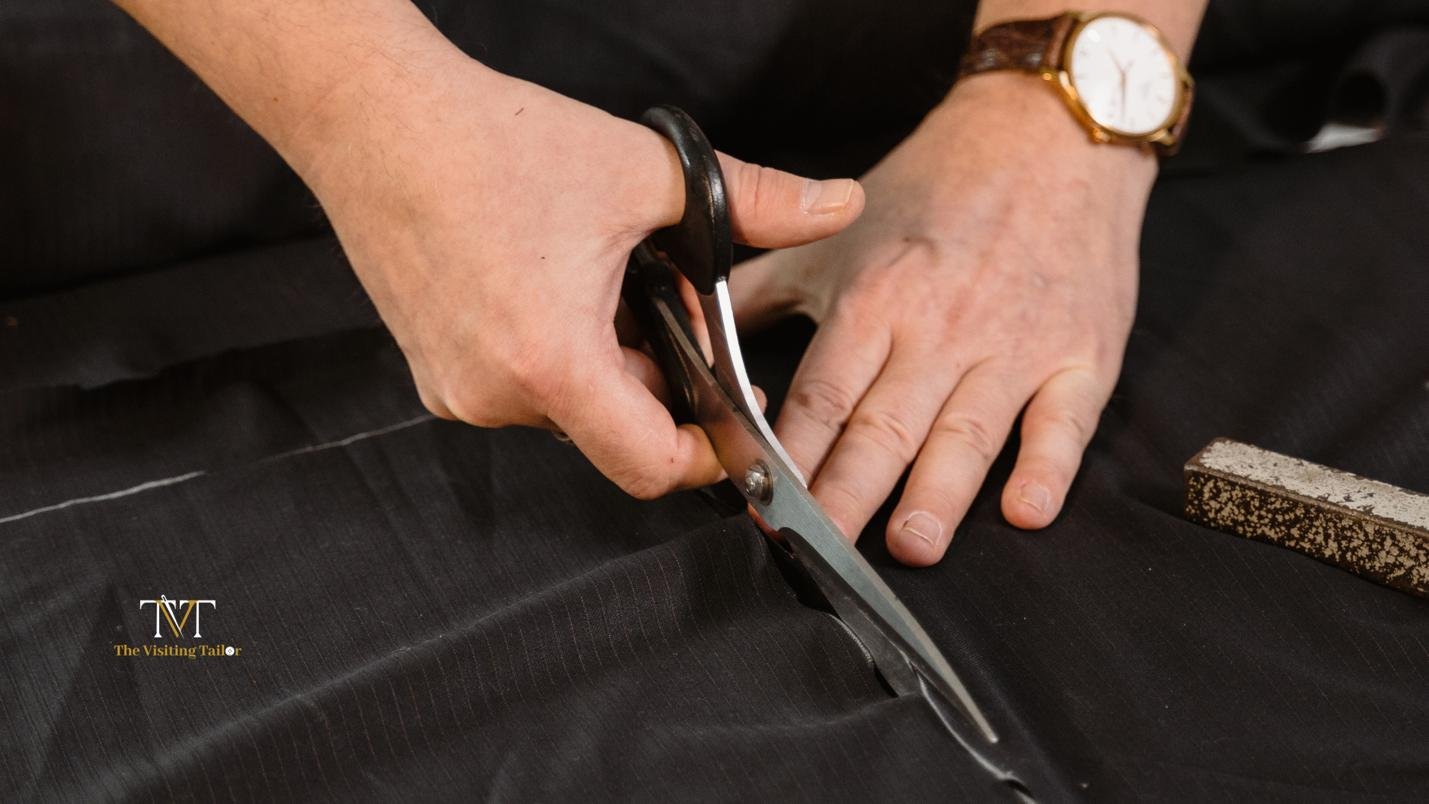
A bespoke suit is not just a piece of clothing — it is a work of art. The process involves a skilled tailor employing traditional techniques and a meticulous approach to ensure every detail is precise: hand-stitching, canvas construction, and multiple fittings until the fit is perfect. Bespoke tailors are trained in classical techniques passed down through generations — an expertise that allows them to create garments that not only fit perfectly but also reflect the client’s posture, body shape, and lifestyle.
Every aspect of a bespoke garment can be customised — from the fabric and lining to the lapels, buttons, and stitching. A client might choose a particular cloth based on its texture, weight, and drape; select a lining that reflects their personality; or add details such as a monogram or hand-finished buttonholes. The result is a suit tailored not just to the body, but to the full expression of who that person is.
Made-to-measure tailoring is often seen as a compromise between ready-to-wear and bespoke. It offers a degree of customisation not available off-the-peg, but does not reach the same level of personalisation or craftsmanship as a fully bespoke garment.
The made-to-measure process begins with selecting a base pattern, which is then adjusted using the client’s measurements. While this allows for a more tailored fit than ready-to-wear, the garment is not created from scratch — the structure and construction follow a standardised template, and customisation options are typically limited to fabric selection and certain design elements.
For clients seeking an upgrade from off-the-peg without committing to the full bespoke investment, made-to-measure is a suitable option. It provides a better fit and greater choice — though it cannot offer the same depth of individuality or attention to detail that bespoke tailoring delivers.
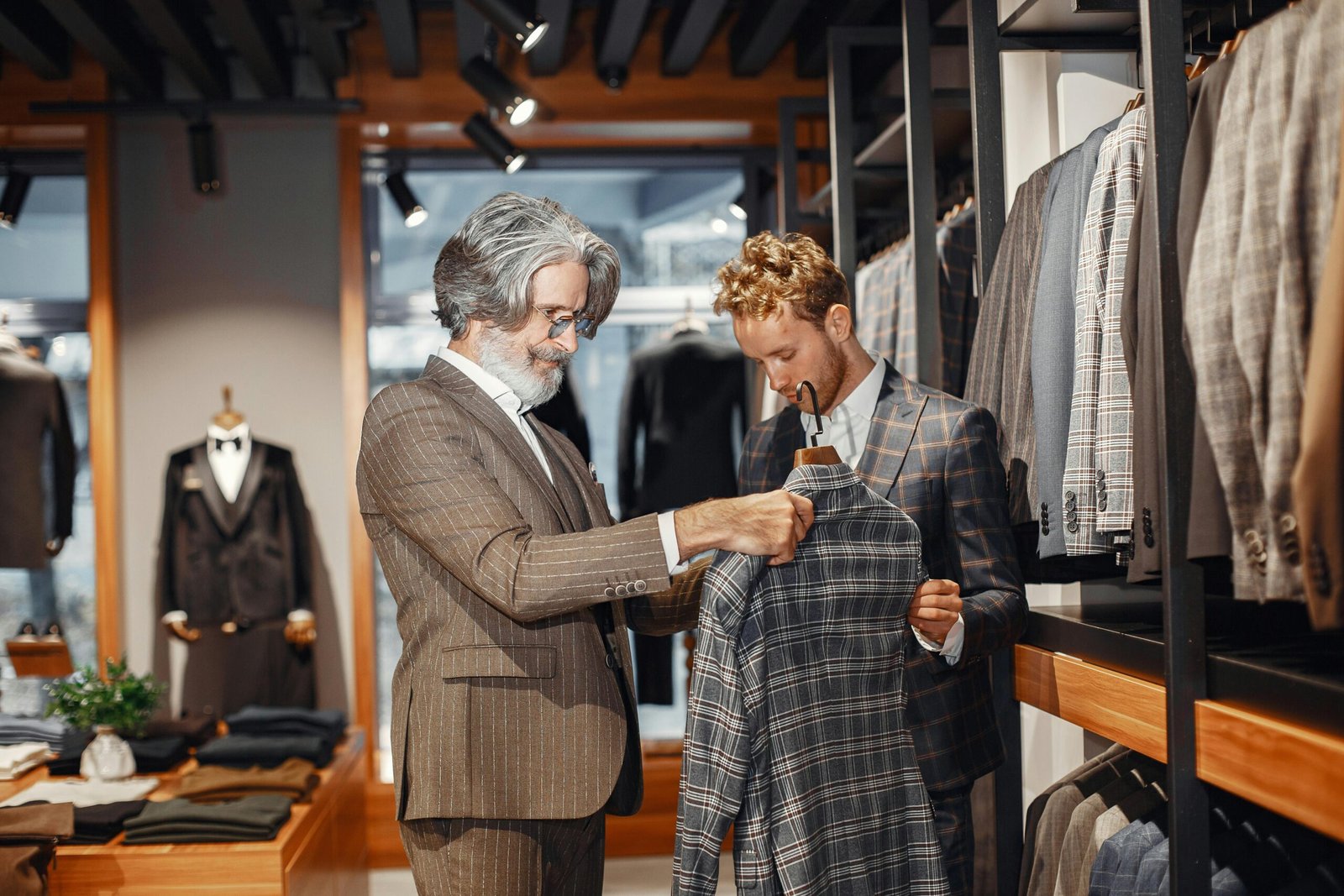
Ready-to-wear garments are mass-produced in standard sizes, designed to fit a broad range of body types. Their primary advantage is affordability and immediate availability — but the trade-off is a lack of precision and personalisation. Individual variations in body shape are not accounted for, and the style options are limited to what the manufacturer has already decided.
"Bespoke tailoring is not simply a method of creating clothing — it is a tradition that embodies craftsmanship, individuality, and a commitment to the finest quality."
Bespoke tailoring is more than just a method of creating clothing — it is a tradition that embodies craftsmanship, individuality, and quality. The bespoke process ensures that each garment is a reflection of the client’s personal style and preferences, creating a unique and enduring piece that improves in meaning with each wearing.
For those who value precision, craftsmanship, and personalisation, bespoke tailoring remains the ultimate choice. At The Visiting Tailor, our skilled tailors work with you to create garments that are not only perfectly fitted but genuinely reflect your unique style — brought directly to your preferred address across Switzerland. There is no substitute for the unparalleled experience of a garment made entirely for you.