In the golden age of Hollywood, a man’s suit was more than just attire — it was his calling card, a testament to his standing in society. For Frank Sinatra, the suit was a bespoke masterpiece, a sartorial symphony tailored to the very last stitch. These suits were a reflection of his personality: bold, charismatic, and utterly distinctive. In an era when off-the-rack was the norm, Sinatra’s bespoke suits set him apart, ensuring he was always the best-dressed man in the room.
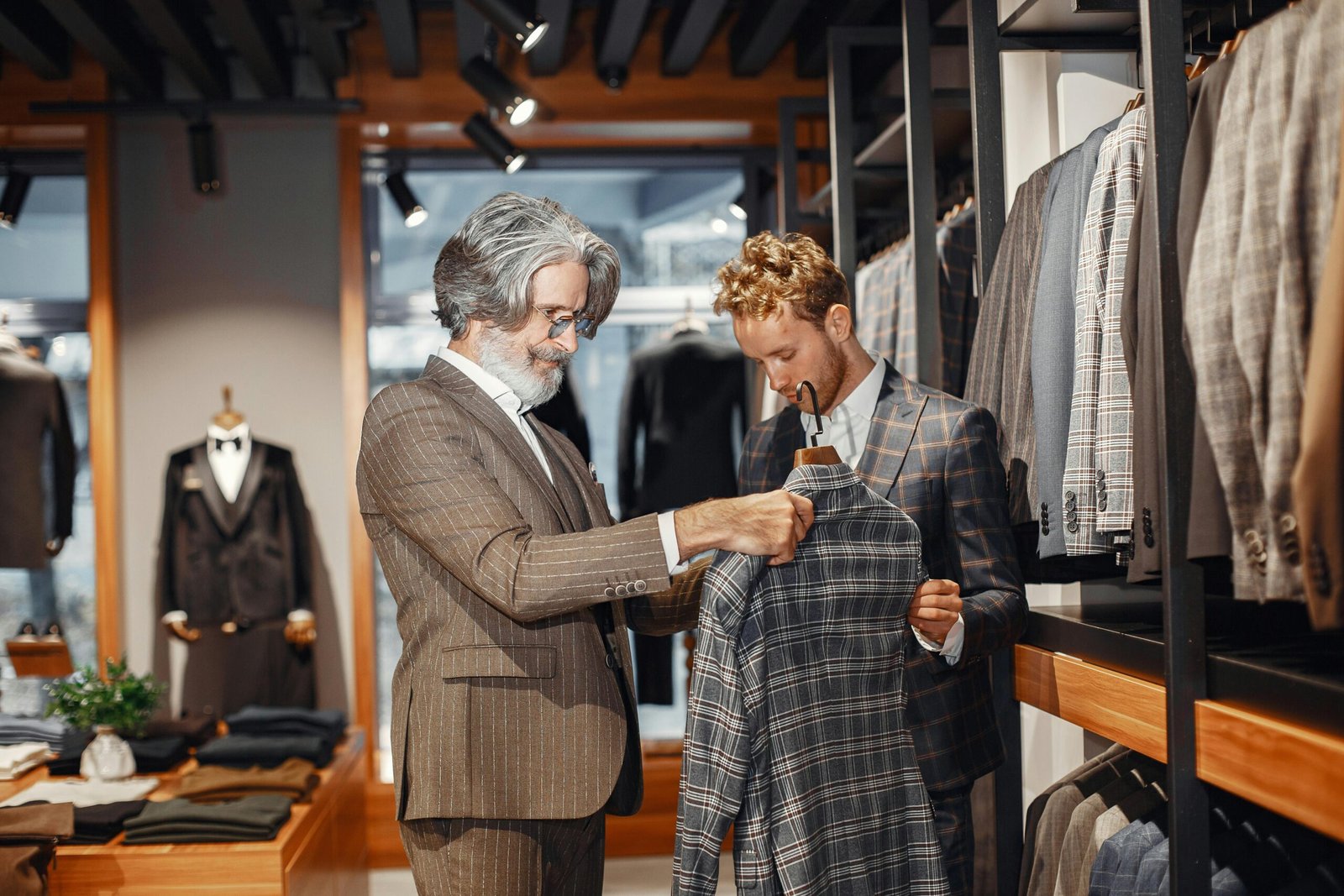
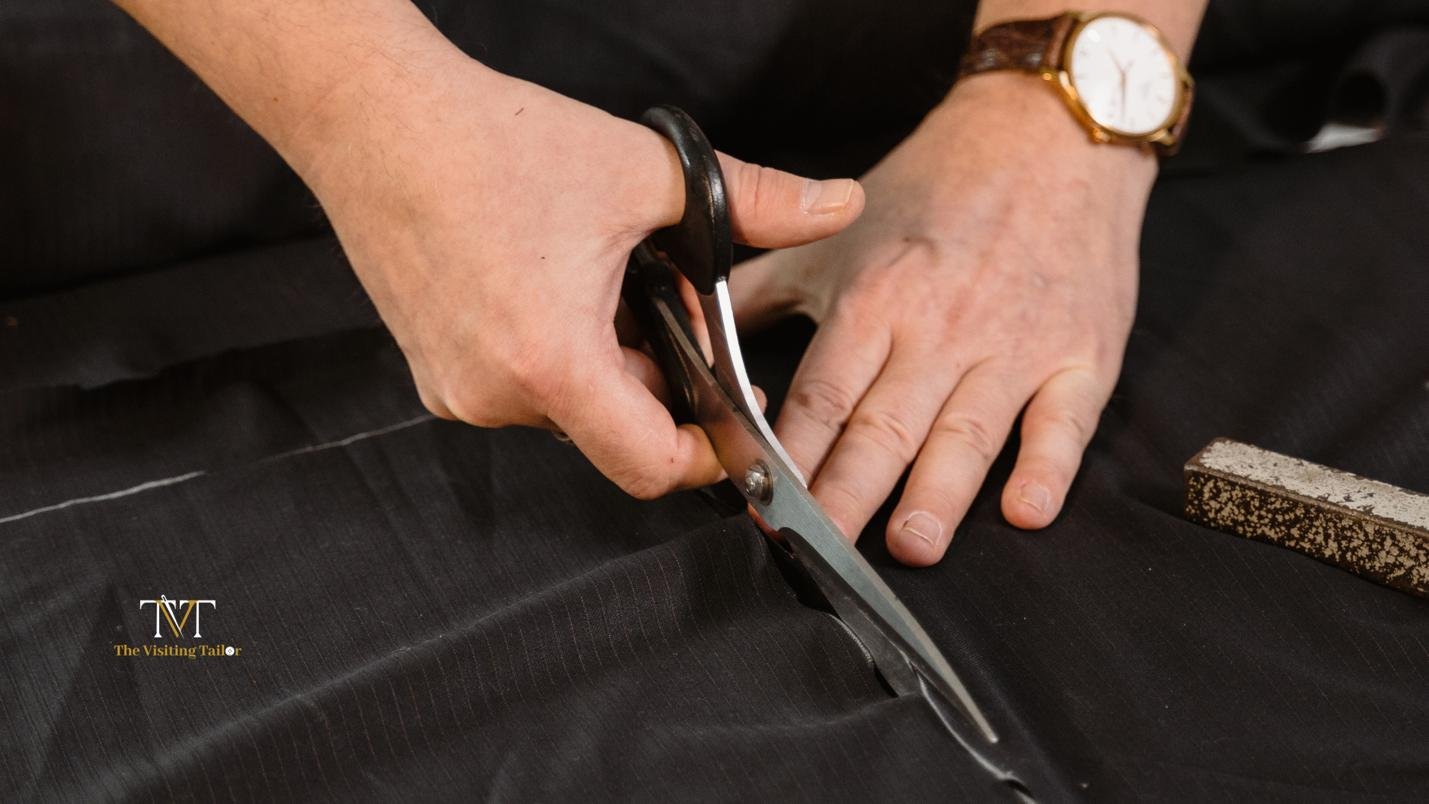
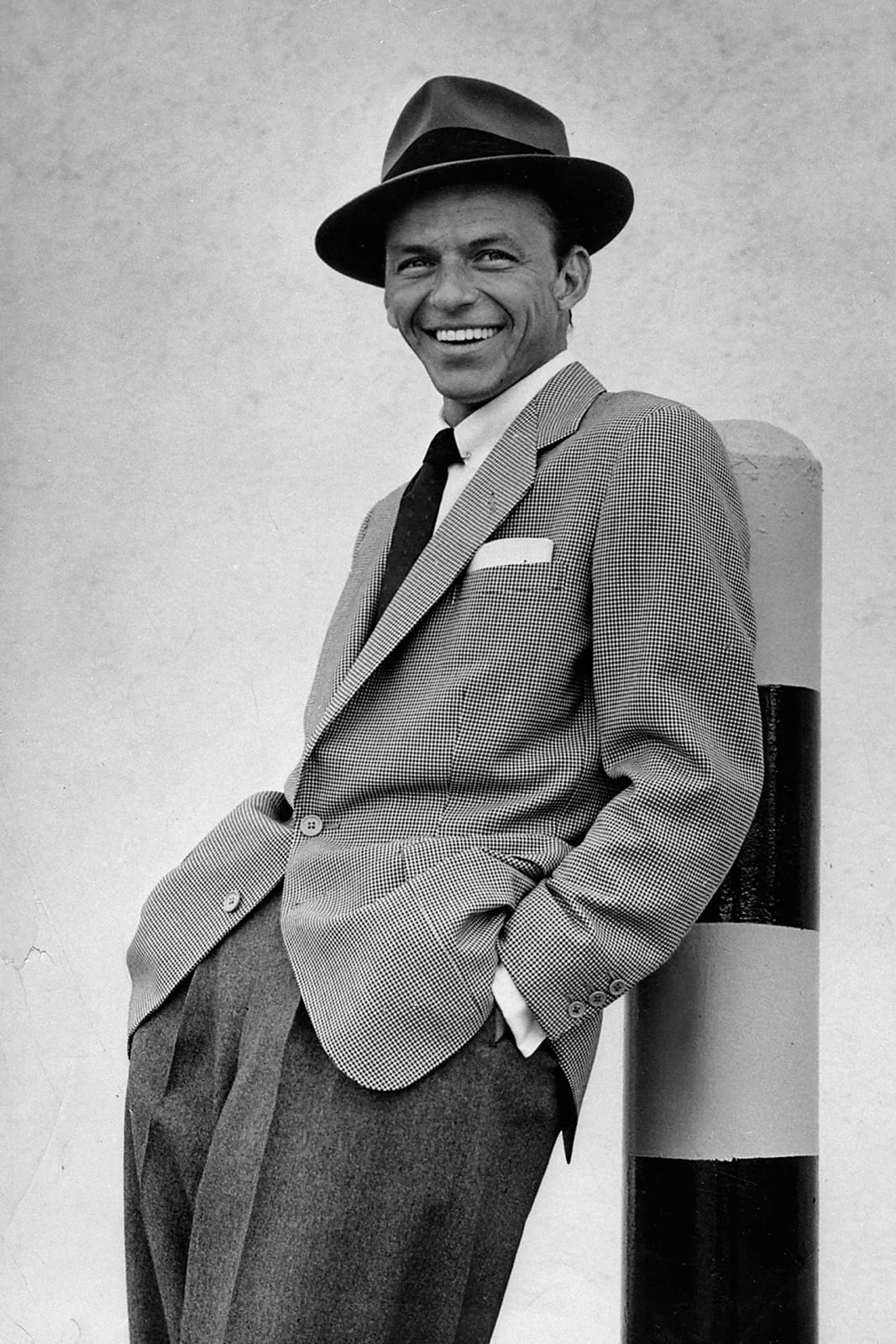
The bespoke process is intimate and detailed. It begins with a conversation — a sharing of visions between the tailor and the client. For Sinatra, this meant sitting with the finest craftsmen, discussing fabrics, cuts, and styles that would ultimately define his iconic look. His suits were a little oversized in keeping with the fashion of the time, but meticulously tailored in length — his shirt cuffs extending just half an inch from the jacket sleeve, his trousers breaking precisely above the shoe.
Sinatra’s style was not just about the clothes he wore but how he wore them — with an air of nonchalance and an unwavering swagger that became as iconic as his voice.
Sinatra’s approach to style went beyond mere aesthetics — it was an integral part of his very essence. His meticulously tailored suits were as much a signature as his velvety voice, a symbol of the man and the legend he became. Whether captivating an audience with his melodious serenades or dazzling onlookers on the silver screen, his fashion choices were always impeccable.
The fedoras he donned added a touch of mystery and an air of nonchalance, while his silk ties spoke of a man who paid attention to the minutiae of style. His choice of clothing was a deliberate act of self-expression — a way to tell his story without uttering a single word. The cufflinks that added a glint of sophistication to his wrists, the pocket squares that brought a pop of colour to his suits: Sinatra understood that details were not just details — they were the design.
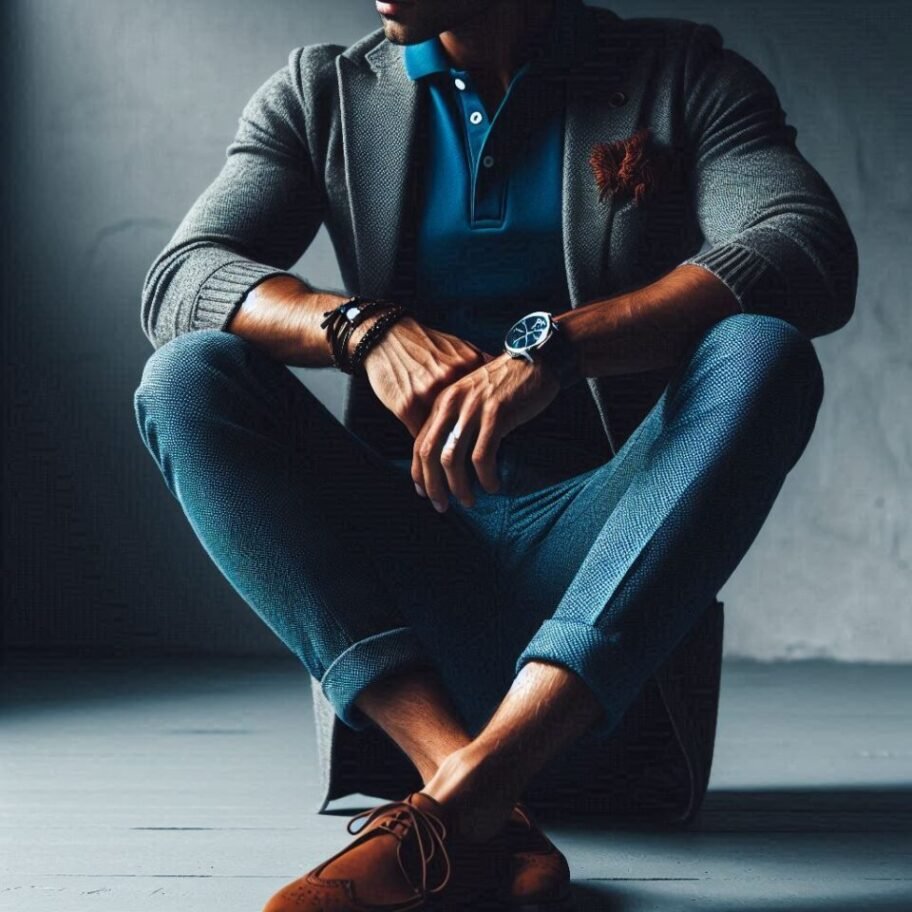
Sinatra’s sartorial influence extended far beyond his personal wardrobe. He redefined men’s fashion, making the tuxedo an essential element of evening elegance. His ability to wear casual attire with the same grace as formalwear showed men that style was not about the clothes themselves, but about how one carried them.
His legacy in men’s fashion is a testament to the enduring power of bespoke tailoring and its ability to elevate personal style into a form of personal expression. It was a style that spoke of respect — for the craft, for the audience, and for the man himself. Frank Sinatra did not just leave a mark on music; he left an indelible impression on the world of fashion, proving that a well-tailored suit can be as memorable as a beautifully sung melody.
His commitment to bespoke tailoring was not just about looking good — it was about feeling good, about knowing that every piece he wore was crafted with him in mind. And just like his music, Sinatra’s fashion sense remains a classic.